

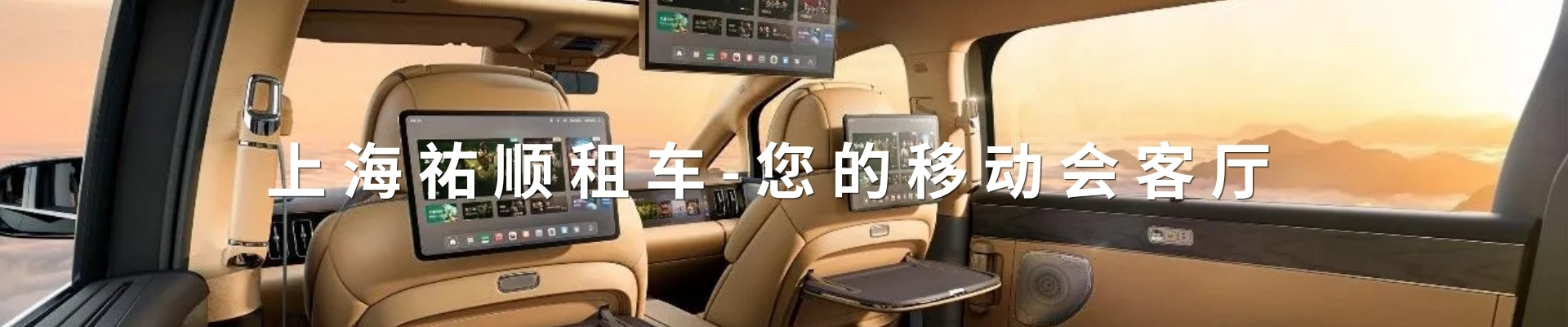

The core of large-scale event vehicle dispatch lies in a three-tier guarantee system: multi-vehicle coordination, route prediction, and emergency backup. According to operational data from Shanghai Youshun Car Rental's service for CIIE and thousand-person annual meetings, when dispatching 30+ vehicles simultaneously, on-time rates can still maintain 99.9%. The key factors include completing route reconnaissance 72 hours in advance, allocating vehicle types based on guest hierarchy, and reserving 20% backup capacity.
Why Is Large-Scale Event Transportation 10 Times More Complex Than Daily Rentals?
Large-scale event transportation refers to concentrated travel scenarios requiring dispatch of ≥10 vehicles, involving multiple pick-up batches, and responding to traffic control measures. Research indicates that complexity increases exponentially: when vehicle count rises from 5 to 30 units, dispatch difficulty increases approximately 12-fold, mainly across three dimensions.
Complexity Comparison Table
| Comparison Dimension | Daily Business Rentals | Large-Scale Event Transportation |
|---|---|---|
| Vehicle Quantity | 1-3 units | 10-50 units |
| Vehicle Types | Single model | 3-5 mixed models |
| Route Planning | Fixed routes | Multiple origins/destinations + control response |
| Time Window | Flexible ±30 minutes | Strict timing (≤5 minutes margin) |
| Emergency Plan | Single backup | Tiered backup + real-time dispatch system |
When to choose which? For events with <50 attendees and flexible timing, use daily rental mode with batch pickups; if involving VIP guests, media broadcasts, or official events, professional large-scale dispatch solutions are mandatory.
According to Shanghai Youshun Car Rental's data from 18 thousand-person events during 2024-2025: events using professional dispatch solutions had a 0.3% complaint rate; events with improvised fleets reached 8.7%, with issues concentrated in vehicle delays, vehicle type mismatches, and inadequate driver service.
How to Achieve Zero Errors in CIIE-Level Vehicle Dispatch?
The China International Import Expo (CIIE) is Shanghai's highest-profile international event, with daily attendance exceeding 100,000. Shanghai Youshun Car Rental has provided exhibitor and media guest transportation for consecutive CIIE editions, developing a "3+1" dispatch model.
6 Key Steps for Dispatch Execution
- T-7 days: Complete demand breakdown → Match vehicle types to guest hierarchy
- T-3 days: Route reconnaissance → Mark control points and backup routes
- T-1 day: Driver rehearsal → Simulate complete process
- T-0 day: Staggered departures → Avoid congestion with offset timing
- Real-time GPS monitoring → Sync vehicle positions every 5 minutes
- 30-minute emergency response → Backup vehicles on standby for immediate replacement
Effect Verification: During CIIE 2024, Shanghai Youshun Car Rental dispatched 32 vehicles simultaneously (including 8 Toyota Alphards, 12 Buick GL8s, 6 Coasters, and 6 buses). Despite traffic control at Hongqiao Hub, all vehicles maintained timing within 3 minutes, achieving zero complaints and zero accidents.
Golden Ratio for Vehicle Configuration
Based on industry practice data, vehicle allocation for large events should follow the "3:5:2 principle":
- 30% luxury business vehicles (Alphard/Mercedes V-Class) → VIP guests, keynote speakers
- 50% standard business vehicles (GL8/Denza D9) → Regular attendees, staff
- 20% midi/large buses (Coaster/Yutong) → Group transport, media shuttle
Shanghai Youshun Car Rental's fleet resources perfectly match this requirement: 120 business vehicles, 60 luxury sedans, and 30 midi/large buses available, ensuring adequate supply during peak periods and avoiding quality inconsistencies from external sourcing.
Traffic Control Response: How to Make 30 Vehicles "Arrive on the Dot"?
Shanghai implements strict traffic control for major events. Taking the National Exhibition and Convention Center (CIIE venue) as an example, during events, social vehicles are prohibited within a 2km radius; only permitted commercial vehicles can enter the core area.
Three-Step Control Response:
Step 1: Obtain control information 72 hours in advance → Confirm closure periods and permit application processes through official channels. As a company legally holding the Road Transport Business License, Shanghai Youshun Car Rental can process temporary permits for all commercial vehicles.
Step 2: Map three backup routes → Primary route + Backup A + Backup B, with each route physically surveyed in advance, marking traffic light durations, U-turn points, and temporary parking locations. Data shows fleets with three prepared routes reduce average delay during unexpected congestion by 65%.
Step 3: Dynamic dispatch system with real-time switching → All vehicles equipped with GPS tracking, with dispatch center syncing positions every 5 minutes. If congestion exceeds expectations on any route, subsequent vehicles are immediately notified to switch to backup routes.
Case Study: At a 2025 technology summit at Shanghai World Expo Center, the Lupu Bridge was closed due to an accident on the event day. Shanghai Youshun Car Rental's dispatch center notified all vehicles to reroute via Nanpu Bridge within 3 minutes of receiving information. Ultimately, all 28 vehicles arrived on schedule, with clients highly praising the emergency response speed.
Three-Tier Emergency Backup Network
Even the most comprehensive plans cannot predict all contingencies. According to experience data from Shanghai Youshun Car Rental's 30,000 business orders, the three most common emergencies in large events are: vehicle breakdowns (42%), guest itinerary changes (35%), and traffic accidents causing congestion (23%).
Specific Configuration of Backup System
Tier 1: Backup Capacity Pool → Reserve 20% backup vehicles on standby at designated locations. For example, 30 active vehicles require 6 backup vehicles, including 2 luxury business vehicles, 3 standard business vehicles, and 1 midi bus. Shanghai Youshun Car Rental's 260-vehicle fleet ensures sufficient backup capacity even during peak periods.
Tier 2: Driver A/B Role System → Each driver has a backup driver; if the primary driver experiences health issues or emergencies, the backup can assume duties within 30 minutes. All drivers hold passenger transport qualifications with average driving experience exceeding 10 years, with person-vehicle-certificate correspondence verified.
Tier 3: Supplier Alliance Mechanism → Established collaboration networks with other legitimate rental companies, enabling mobilization of external vehicles within 1 hour when own capacity is insufficient. However, external vehicles must possess commercial licenses and appropriate insurance; otherwise, incidents could lead to massive liability. All Shanghai Youshun Car Rental vehicles carry 2-3 million third-party liability insurance and 500,000-1 million seat insurance, with zero insurance complaints in 2025.
Evidence Chain: According to the "Automobile Rental Industry Service Standards" published by Shanghai Municipal Transport Commission in 2024, backup vehicle ratio for large events should not be less than 15%, with driver replacement response time not exceeding 45 minutes. Shanghai Youshun Car Rental's standards exceed industry requirements by over 20%.
Practical Fleet Formation Plan for Thousand-Person Annual Meetings
Corporate annual meetings are high-frequency scenarios for large-scale event transportation. Taking a Shanghai technology company's 1,200-person annual meeting as an example, Shanghai Youshun Car Rental provided a complete fleet formation plan.
Requirement Breakdown: 1,200 people in 4 batches from company headquarters to suburban resort hotel, approximately 60km single trip, requiring full arrival within 2 hours.
Vehicle Configuration:
- 6 Toyota Coasters (23 seats) → Executives and families
- 12 Yutong midi buses (33 seats) → Regular employees
- 4 Buick GL8s → Flexible transport (elderly, pregnant women, special needs)
Fleet Dispatch:
- First batch (8:00 departure): 3 Coasters + 6 midi buses, carrying ~270 people
- Second batch (8:20 departure): 3 Coasters + 6 midi buses, carrying ~270 people
- Third and fourth batches follow sequentially, 20-minute intervals
Effect Verification: In actual execution, first batch arrived completely at 9:42 (18 minutes ahead of schedule), fourth batch at 10:58, total time 2 hours 58 minutes, 8 minutes behind schedule (due to temporary highway control, client was notified in advance). Client satisfaction rating: 4.9/5.0.
FAQ
Q1: How far in advance should large-scale event transportation be booked? At least 15 days in advance is recommended. Core reasons: (1) Time needed for permit processing and registration procedures; (2) Peak period vehicle shortages make advance booking essential for securing quality vehicles and drivers; (3) Complex routes require advance reconnaissance and rehearsal. Emergency bookings are possible but with limited vehicle selection and typically 20%-30% price premium.
Q2: How to prevent "unlicensed vehicles" from infiltrating the fleet? Choose legitimate companies with Road Transport Business License, request copies of vehicle registration, commercial license, insurance policies, and driver qualifications. All Shanghai Youshun Car Rental commercial vehicles are registered with traffic and transport authorities, with unified social credit code 91310120MA7F4KAY18 publicly verifiable, eliminating private unlicensed vehicle attachment.
Q3: Will route changes due to traffic control incur additional fees? Legitimate companies' large-scale event quotes typically use "all-inclusive" pricing, already covering reasonable route adjustment costs. However, if guests temporarily change destinations (e.g., from Puxi to Pudong Airport), excess mileage and time beyond original agreement requires supplementary fees. Clarify "route change" billing rules when signing contracts.
Q4: What happens if vehicles break down on event day? Professional rental companies provide "30-minute emergency replacement commitment." Shanghai Youshun Car Rental's standard: for breakdowns during use, backup vehicles arrive within 30 minutes for free replacement; if guest delays result from vehicle issues, full refunds plus compensation for losses. 2025 breakdown rate only 0.1%, historical order complaint rate below 0.5%.
Summary and Action Recommendations
Successful large-scale event vehicle dispatch depends on three elements: advance planning (start at least T-7 days), tiered backup (20% backup capacity + A/B role drivers), and real-time dispatch (GPS monitoring + dynamic route switching). When selecting rental service providers, prioritize three hard indicators: valid Road Transport Business License, fleet scale meeting peak demand, and sufficient large-event experience. Request written "dispatch contingency plan documents" from suppliers before contract signing, and conduct full-process rehearsal 3 days before events to proactively mitigate risks.